
In our fast-paced world, the connection between movement and mental clarity has never been more important. Mindful movement offers a transformative approach to wellness that goes beyond traditional exercise.

When we talk about mindful movement, we’re exploring a practice that bridges the gap between physical activity and mental awareness. This isn’t just about burning calories or building muscle—it’s about creating a harmonious relationship between your body and mind. By incorporating intentional, conscious movement into your daily routine, you unlock a pathway to reduced stress, improved focus, and enhanced overall well-being that extends far beyond the mat or the gym floor.
🧘 Understanding the Foundation of Mindful Movement
Mindful movement represents a departure from autopilot exercise routines. Unlike conventional workouts where you might zone out to music or television, mindful movement requires your full presence and attention. This practice asks you to notice how your body feels, observe your breath patterns, and maintain awareness of your physical sensations throughout each movement.
The roots of mindful movement trace back to ancient practices like yoga, tai chi, and qigong—disciplines that have recognized the mind-body connection for thousands of years. Modern science has now caught up, validating what these traditions have always known: when we move with intention and awareness, we activate neural pathways that promote both physical health and psychological resilience.
Research published in numerous health journals demonstrates that mindful movement practices can significantly reduce cortisol levels, the hormone associated with stress. This biochemical shift creates a cascade of positive effects throughout your entire system, influencing everything from immune function to emotional regulation.
The Neurological Benefits of Conscious Physical Practice
Your brain undergoes remarkable changes when you engage in mindful movement. Neuroplasticity—the brain’s ability to form new neural connections—is enhanced through practices that combine physical activity with focused attention. This means you’re not just strengthening muscles; you’re literally rewiring your brain for better stress management and emotional balance.
The prefrontal cortex, responsible for decision-making and self-control, shows increased activity during mindful movement sessions. Simultaneously, the amygdala, your brain’s fear center, demonstrates reduced reactivity. This neurological shift explains why practitioners often report feeling calmer, more centered, and better equipped to handle life’s challenges after even a single mindful movement session.
Additionally, mindful movement stimulates the production of brain-derived neurotrophic factor (BDNF), a protein that supports the survival of existing neurons and encourages the growth of new ones. Higher BDNF levels are associated with improved memory, learning capacity, and protection against age-related cognitive decline.
Practical Forms of Mindful Movement for Every Body
The beauty of mindful movement lies in its accessibility and variety. You don’t need expensive equipment, a gym membership, or even much space to begin. Here are several approaches that accommodate different preferences, fitness levels, and lifestyles:
Yoga: The Classic Mind-Body Practice
Yoga remains one of the most recognized forms of mindful movement, offering styles ranging from gentle restorative practices to more physically demanding vinyasa flows. Each pose invites you to notice alignment, breath, and sensation. The systematic progression through postures creates a moving meditation that quiets mental chatter while building strength and flexibility.
What makes yoga particularly effective is its emphasis on the breath as an anchor for awareness. By coordinating movement with inhalation and exhalation, you create a rhythm that naturally draws your attention inward, making it easier to stay present rather than getting lost in thought.
Tai Chi and Qigong: Flowing Energy Practices
These ancient Chinese practices involve slow, deliberate movements coordinated with breathing and mental focus. Often described as “meditation in motion,” tai chi and qigong are especially beneficial for those who find stillness challenging. The gentle nature of these practices makes them accessible to people of all ages and fitness levels.
Studies have shown that regular tai chi practice can improve balance, reduce fall risk in older adults, decrease anxiety symptoms, and even lower blood pressure. The flowing movements promote circulation while the meditative quality calms the nervous system.
Mindful Walking: Movement Meditation in Daily Life
Perhaps the most accessible form of mindful movement, mindful walking transforms an everyday activity into a powerful practice. Instead of walking while lost in thought or scrolling through your phone, mindful walking asks you to notice each footfall, feel the ground beneath you, observe your surroundings with fresh eyes, and maintain awareness of your body moving through space.
This practice can be done anywhere—during your commute, on a nature trail, or even pacing through your living room. The key is bringing full attention to the physical sensations and experience of walking rather than treating it as merely a means to get somewhere.
Pilates: Core-Centered Awareness
Pilates emphasizes controlled movements that originate from your body’s center. Each exercise requires concentration and precise execution, making it inherently mindful. The focus on alignment, breathing, and core engagement creates a practice that develops both physical strength and mental focus.
🌟 Creating Your Personal Mindful Movement Practice
Starting a mindful movement practice doesn’t require dramatic lifestyle changes. Small, consistent efforts yield the most sustainable results. Begin by setting realistic expectations—even five minutes of mindful movement offers benefits.
Choose a time of day when you’re least likely to be interrupted. Many people find morning practice sets a positive tone for the entire day, while others prefer evening sessions to release accumulated stress. The best time is whatever time you’ll actually do it consistently.
Create a dedicated space if possible. This doesn’t need to be elaborate—simply a corner of a room where you can move freely. Over time, this space becomes associated with your practice, making it easier to shift into a mindful state when you enter it.
Essential Elements for Effective Practice
Regardless of which form of mindful movement you choose, certain elements enhance effectiveness:
- Breath awareness: Your breath serves as the bridge between body and mind. Notice its natural rhythm and use it as an anchor when your attention wanders.
- Non-judgment: Approach your practice with curiosity rather than criticism. Some days your body will feel different than others—that’s completely normal.
- Progressive challenge: While mindful movement isn’t about pushing to extremes, gradually expanding your comfort zone helps maintain engagement and progress.
- Consistency over intensity: Regular brief sessions create more lasting change than occasional marathon efforts.
- Body scanning: Periodically check in with different body parts during movement, noticing areas of tension, ease, strength, or restriction.
Overcoming Common Obstacles and Misconceptions
Many people hesitate to begin mindful movement practices due to misconceptions or perceived barriers. Let’s address the most common concerns:
“I’m not flexible enough for yoga or mindful movement.” Flexibility is an outcome of practice, not a prerequisite. Mindful movement meets you where you are, working with your current range of motion and gradually expanding it over time.
“I don’t have time.” Mindful movement doesn’t require hour-long sessions. Even three to five minutes of conscious breathing paired with gentle stretching provides measurable benefits. You can also transform existing activities—like walking to your car or climbing stairs—into mindful movement opportunities.
“My mind is too busy to focus.” A busy mind is precisely why you need mindful movement. The practice doesn’t require an empty mind; it simply asks you to notice when your attention wanders and gently redirect it. This noticing and redirecting is actually the practice itself.
“I need intense workouts to see results.” While vigorous exercise has its place, research consistently shows that mindful movement practices produce unique benefits that high-intensity workouts alone cannot provide, particularly regarding stress reduction, mental clarity, and nervous system regulation.
💪 The Physical Health Transformation
Beyond mental and emotional benefits, mindful movement creates measurable improvements in physical health markers. Regular practice enhances proprioception—your body’s awareness of its position in space—which reduces injury risk and improves coordination.
The gentle, controlled nature of many mindful movement practices makes them ideal for people managing chronic pain conditions. By moving with awareness, you learn to distinguish between discomfort that signals danger and sensations that accompany healthy stretching and strengthening.
Mindful movement also positively impacts cardiovascular health. While it may not elevate your heart rate as dramatically as running, practices like yoga and tai chi improve circulation, enhance heart rate variability (a marker of stress resilience), and support healthy blood pressure levels.
Immune System Support Through Movement
Your immune system functions more effectively when your stress levels are managed. Mindful movement practices activate the parasympathetic nervous system—your body’s “rest and digest” mode—which allows immune resources to function optimally rather than being suppressed by chronic stress responses.
Studies have demonstrated that regular yoga practitioners show improved immune markers and recover more quickly from illness. The combination of movement, breath work, and stress reduction creates an environment where your body’s natural healing mechanisms can work efficiently.
Integrating Mindfulness Beyond Formal Practice
The true power of mindful movement extends beyond dedicated practice sessions. As you develop greater body awareness, you begin noticing how you hold tension during daily activities—perhaps hunching your shoulders while working at a computer or clenching your jaw during stressful conversations.
This awareness creates opportunities for micro-adjustments throughout your day. You might take a mindful breath before responding to a challenging email, stretch consciously when standing up from your desk, or walk with intention during your lunch break. These small moments accumulate, creating a lifestyle of mindfulness rather than an isolated practice.
The mind-body connection strengthened through formal mindful movement practice translates into better posture, reduced tension-related pain, and improved emotional regulation in everyday situations. You become more attuned to your body’s signals, addressing needs before they escalate into problems.
🎯 Measuring Progress in Your Journey
Progress in mindful movement looks different from traditional fitness metrics. While you might notice increased strength or flexibility, equally important markers include improved sleep quality, better stress management, enhanced focus, greater emotional stability, and increased overall sense of well-being.
Keep a simple journal noting how you feel before and after practice sessions. Over time, patterns emerge that reveal the practice’s impact. You might discover that you handle conflict more calmly, recover from setbacks more quickly, or simply feel more comfortable in your own skin.
Physical progress happens, too, but it unfolds gradually and sustainably. Unlike intensive training that sometimes leads to burnout or injury, mindful movement creates lasting change by working with your body rather than against it.
Building a Sustainable Long-Term Practice
The key to long-term success with mindful movement lies in finding genuine enjoyment in the practice itself rather than viewing it solely as a means to an end. While the benefits are compelling, the process needs to feel rewarding enough to maintain consistency.
Vary your practice to maintain interest. If you primarily practice yoga, try incorporating mindful walking or tai chi. Explore different teachers, styles, and settings. Some days you might prefer a structured class environment, while other times a self-directed home practice feels more appropriate.
Connect with a community when possible. Whether through in-person classes, online groups, or a practice partner, social support enhances commitment and provides encouragement during challenging periods. Sharing experiences with others on similar journeys creates accountability and inspiration.
Advanced Concepts: Deepening Your Practice
As your practice matures, you might explore more subtle aspects of mindful movement. Body scanning becomes more refined, allowing you to detect increasingly subtle sensations. Your ability to maintain present-moment awareness extends for longer periods. The distinction between “doing” practice and “being” in practice becomes clearer.
Advanced practitioners often describe a quality of effortlessness emerging—not because the movements become easy, but because the struggle against what is diminishes. You work with appropriate intensity while maintaining a sense of ease and acceptance.
This paradox of engaged relaxation represents the essence of mindful movement: fully present and actively participating while simultaneously accepting whatever arises without resistance.
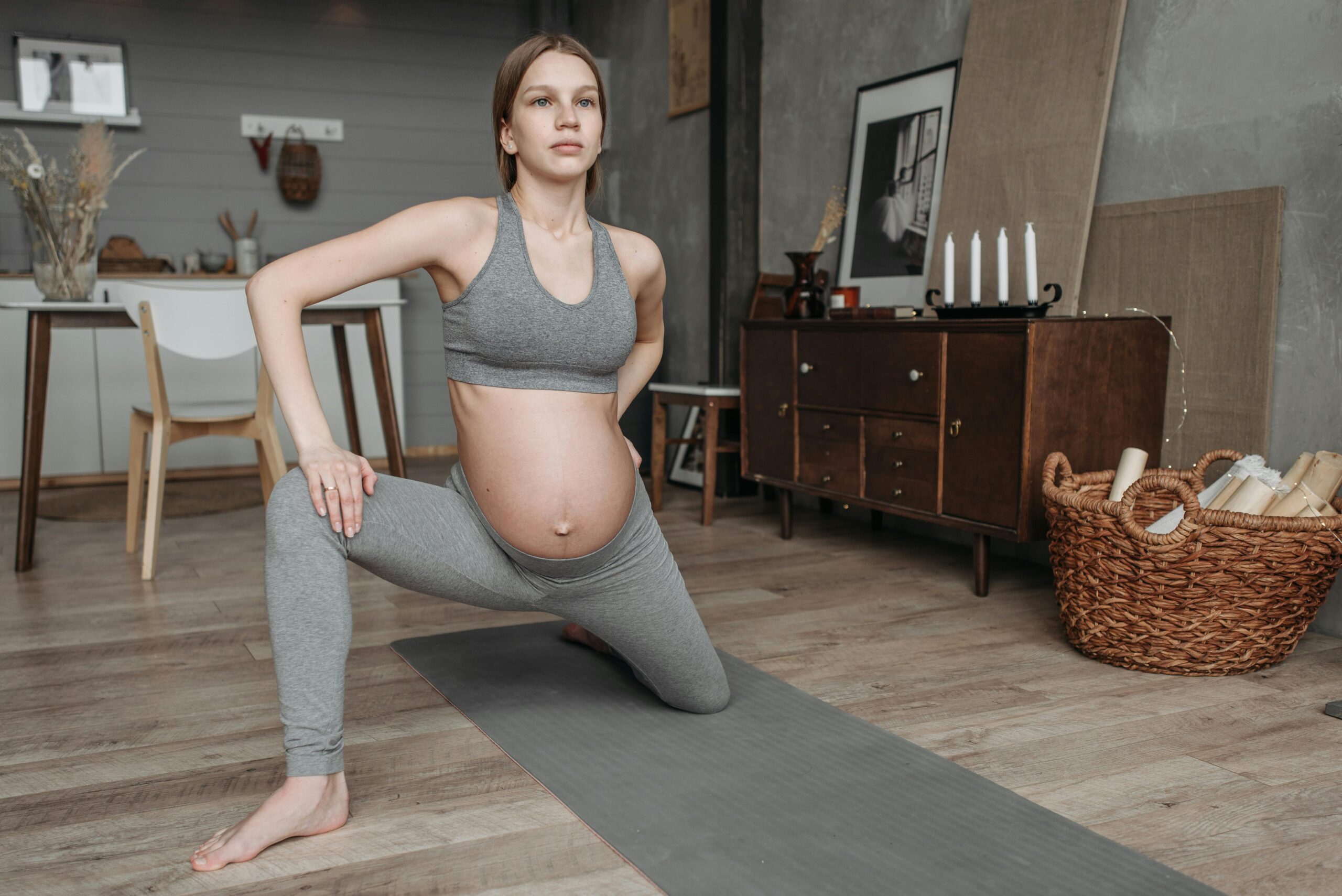
🌈 The Ripple Effect on Overall Life Quality
Perhaps the most profound aspect of mindful movement is how it influences areas of life seemingly unrelated to physical practice. Improved self-awareness translates into better relationship dynamics. The patience developed on the mat or trail extends to challenging situations at work or home. The acceptance cultivated during practice helps you respond more skillfully to life’s inevitable difficulties.
People who maintain consistent mindful movement practices often report positive changes in eating habits, sleep patterns, and decision-making. This isn’t because mindful movement directly addresses these areas, but because the increased self-awareness and nervous system regulation naturally support healthier choices across all life domains.
The practice becomes a foundation for overall wellness—a reliable tool you can return to regardless of external circumstances. Whether celebrating successes or navigating challenges, mindful movement provides a steady anchor and a proven method for maintaining balance.
Your journey with mindful movement is uniquely yours. There’s no perfect way to practice, no ideal timeline for progress, and no comparison needed with others. Each moment you bring conscious awareness to movement represents a victory—a choice to prioritize your well-being and cultivate the peaceful mind and healthier body you deserve. Start where you are, use what you have, do what you can, and trust that small, consistent steps create extraordinary transformations over time.