
The caregiver archetype represents one of humanity’s most profound expressions of compassion and service. Whether you’re a professional healthcare provider, a family member supporting a loved one, or someone drawn to nurturing roles, understanding caregiver archetypes can revolutionize how you connect with others and find deeper meaning in your work.

Throughout history, caregivers have shaped societies, healed communities, and created bonds that transcend ordinary relationships. Yet many caregivers struggle with burnout, loss of identity, and feeling undervalued. By exploring the different caregiver archetypes and learning to harness their unique strengths, you can transform exhausting obligations into fulfilling missions that nourish both you and those you serve.
🌟 Understanding the Foundation of Caregiver Archetypes
Caregiver archetypes are psychological patterns that define how individuals approach nurturing, supporting, and healing others. Rooted in Carl Jung’s archetypal theory, these patterns reveal the motivations, strengths, and potential challenges that different caregivers face. Recognizing your dominant archetype provides clarity about why you give care the way you do and how to leverage your natural inclinations.
The caregiver archetype manifests differently depending on personality, life experience, and circumstances. Some caregivers operate from a place of unconditional love, while others are driven by duty, professional excellence, or the desire to fix problems. None of these approaches is inherently better than others, but understanding your pattern helps you work with your nature rather than against it.
When caregivers understand their archetypal patterns, they gain insight into their emotional triggers, boundaries challenges, and the specific forms of fulfillment they seek. This self-awareness becomes the foundation for sustainable, meaningful caregiving that doesn’t deplete your spirit over time.
The Five Primary Caregiver Archetypes
Research in psychology and healthcare has identified several distinct caregiver archetypes, each with characteristic approaches to helping others. While most people embody elements of multiple archetypes, one or two typically dominate their caregiving style.
The Nurturer: Unconditional Love and Emotional Support 💚
The Nurturer archetype centers on emotional warmth, empathy, and creating safe spaces for vulnerability. Nurturers instinctively sense what others need emotionally and provide comfort through presence, listening, and validation. They excel at making people feel seen, heard, and valued during difficult times.
Strengths of the Nurturer include exceptional emotional intelligence, patience, and the ability to create healing environments through compassion. However, Nurturers may struggle with boundaries, taking on others’ emotional burdens, and neglecting their own needs. They risk becoming emotionally depleted if they don’t practice self-care and learn when to step back.
The Protector: Safety and Advocacy
Protector caregivers are driven by the need to shield others from harm, fight for their rights, and ensure their safety. This archetype emerges strongly in parents, healthcare advocates, and those working in social services. Protectors are vigilant, proactive, and willing to confront systems or individuals that threaten those in their care.
The Protector’s greatest assets are courage, assertiveness, and the ability to navigate complex systems on behalf of vulnerable people. The shadow side of this archetype includes controlling behaviors, difficulty trusting others to provide care, and chronic stress from maintaining constant vigilance. Protectors must learn to share responsibility and recognize that over-protection can sometimes hinder growth.
The Healer: Restoration and Wholeness
Healer archetypes focus on physical, emotional, or spiritual restoration. They are drawn to understanding root causes of suffering and implementing solutions that promote genuine wellness rather than simply managing symptoms. Healers often pursue extensive knowledge in their chosen field and take a holistic view of wellbeing.
Healers bring expertise, curiosity, and integrative thinking to caregiving. They excel at seeing connections others miss and developing innovative approaches to complex health challenges. Their vulnerability lies in perfectionism, frustration when healing doesn’t occur as hoped, and potential burnout from taking responsibility for outcomes beyond their control.
The Servant: Duty and Selfless Service
The Servant archetype operates from a deep sense of responsibility, duty, and commitment to serving others. These caregivers are reliable, consistent, and willing to sacrifice personal comfort to meet others’ needs. The Servant finds meaning in being needed and often defines their worth through usefulness to others.
Servants are dependable, humble, and extraordinarily dedicated. They create stability and consistency that others can rely upon. However, this archetype carries significant risks of martyrdom, resentment, and loss of personal identity. Servants may struggle to receive care themselves or to set boundaries that honor their own humanity.
The Guide: Wisdom and Empowerment
Guide caregivers focus on empowering others to develop their own capabilities rather than creating dependency. They teach, mentor, and provide tools that help people navigate challenges independently. Guides believe in others’ potential and work to strengthen autonomy and confidence.
The Guide’s strengths include respecting others’ agency, fostering growth, and creating sustainable support that doesn’t require their constant presence. Challenges include potential emotional distance, impatience with dependency, and difficulty providing immediate comfort when teaching moments aren’t appropriate. Guides must balance empowerment with compassion during times when people simply need someone to lean on.
🔄 Transforming Archetype Awareness into Meaningful Connections
Understanding your caregiver archetype is only the beginning. The real transformation happens when you intentionally apply this knowledge to deepen your relationships and enhance your impact. This process requires honest self-reflection, willingness to adapt, and commitment to growth.
Identifying Your Primary Archetype
Begin by reflecting on your natural responses when someone needs help. Do you immediately want to comfort them emotionally? Do you spring into action to solve the problem? Do you feel compelled to research solutions? Your instinctive reactions reveal your archetypal patterns.
Consider asking trusted friends or family members how they experience your caregiving. External perspectives often illuminate blind spots and confirm patterns you might not recognize in yourself. Keep a journal tracking your caregiving interactions, noting what energizes you versus what drains you, and which aspects of caregiving bring the deepest satisfaction.
Working With Your Archetype’s Strengths
Once you identify your dominant archetype, intentionally structure your caregiving to leverage your natural gifts. Nurturers should seek roles emphasizing emotional support and relationship building. Protectors thrive in advocacy positions where their assertiveness serves vulnerable populations. Healers need opportunities for deep expertise development and holistic approaches.
Servants benefit from clear structures and defined responsibilities that prevent overextension. Guides flourish in educational or mentorship roles where empowerment is the primary goal. Aligning your caregiving roles with your archetypal strengths creates flow rather than friction, reducing burnout while increasing effectiveness.
Addressing Your Archetype’s Shadow
Every archetype carries shadow elements—the potential weaknesses that emerge when strengths become excessive or imbalanced. Growth requires acknowledging these vulnerabilities without shame and developing strategies to address them.
Nurturers must establish firm boundaries and practice receiving care from others. Protectors need to cultivate trust and allow appropriate risk-taking. Healers benefit from accepting limitations and releasing perfectionism. Servants require regular reconnection with their own needs and desires. Guides must balance empowerment with compassionate presence during acute crises.
Building Bridges Between Different Caregiver Archetypes 🌉
Most caregiving situations involve multiple people with different archetypal patterns. Healthcare teams, family caregiving arrangements, and community support networks all require coordination between diverse approaches. Understanding archetypal differences prevents conflict and creates complementary partnerships.
When a Nurturer and a Healer work together, the Nurturer provides emotional comfort while the Healer addresses clinical needs—a powerful combination. However, tensions may arise if the Nurturer perceives the Healer as too clinical, or if the Healer views the Nurturer as enabling emotional dependency. Recognizing these archetypal differences allows for appreciation rather than judgment.
Family caregiving often reveals archetypal conflicts. Siblings may clash when a Protector’s vigilance conflicts with a Guide’s emphasis on the care recipient’s autonomy. Parents and adult children may struggle when Servant and Nurturer patterns create different expectations about appropriate sacrifice. Naming these archetypal differences depersonalizes conflicts and opens space for understanding.
Practical Strategies for Archetypal Integration
True mastery comes not from rigidly adhering to one archetype, but from developing flexibility across multiple patterns. The most effective caregivers can access different archetypal energies depending on what each situation requires.
Developing Your Secondary Archetypes
Identify which archetype is least developed in your caregiving approach and intentionally practice those skills. If you’re primarily a Guide, practice the Nurturer’s art of simply being present without teaching. If you’re a Servant, experiment with the Protector’s assertive advocacy. This expansion increases your range and effectiveness.
Start small by choosing low-stakes situations to practice unfamiliar archetypal approaches. Notice your discomfort and resistance—these feelings indicate growth edges. Seek mentors who embody archetypes different from yours and observe how they navigate caregiving challenges.
Creating Archetypal Balance in Your Life
Examine how your caregiving archetype shows up in all your relationships, not just formal caregiving roles. Nurturers may realize they’re emotionally supporting everyone around them without reciprocity. Protectors might recognize they’re trying to shield adult children from necessary life lessons. This broader awareness allows for more intentional choices.
Balance requires honoring your archetypal nature while not being imprisoned by it. You can be a Nurturer who also sets boundaries, a Servant who receives care, or a Healer who accepts medical limitations. Integration means accessing your archetype’s gifts while compensating for its blind spots.
💡 From Compassion to Impact: Amplifying Your Caregiving Influence
Understanding caregiver archetypes transforms individual relationships and positions you to create broader systemic impact. When you recognize patterns across caregiving contexts, you can design interventions, programs, and policies that support diverse caregiving approaches.
Building Archetype-Informed Support Systems
Healthcare systems, community organizations, and support groups often inadvertently favor certain archetypes while marginalizing others. Clinical settings may value Healer and Protector approaches while dismissing Nurturer contributions as “soft skills.” Conversely, support groups might emphasize emotional processing in ways that frustrate action-oriented Protectors.
Creating inclusive caregiving environments means honoring all archetypal approaches. Healthcare teams function best when they consciously include diverse perspectives. Family meetings benefit from recognizing each person’s archetypal contribution. Support resources should address different caregiving styles rather than assuming one approach fits all.
Leveraging Your Archetype for Advocacy and Change
Your archetypal strengths inform how you can most effectively advocate for systemic improvements. Nurturers create powerful impact by humanizing policy discussions with individual stories. Protectors excel at confronting injustice and demanding accountability. Healers contribute innovative approaches that address root causes rather than symptoms.
Servants demonstrate through consistent action what compassionate systems look like in practice. Guides empower others to become advocates themselves, multiplying impact. Rather than forcing yourself into advocacy styles that don’t fit your nature, lean into approaches that align with your archetypal strengths.
Sustaining Your Caregiving Journey Through Archetypal Wisdom 🌱
Long-term caregiving sustainability requires understanding what specifically nourishes your archetypal pattern. Generic self-care advice often fails because it doesn’t account for archetypal differences in what feels restorative versus depleting.
Nurturers recharge through receiving emotional support and being nurtured themselves, not through solitary activities. Protectors need to feel their vigilance is shared and that systems are in place to protect those they care about. Healers require ongoing learning and evidence that their interventions create meaningful improvement.
Servants must regularly reconnect with their own desires beyond duty, rediscovering aspects of identity separate from service. Guides need intellectual stimulation and evidence that their teaching creates genuine empowerment. Archetypal self-care is specific and personal rather than generic.
Evolving Your Archetype Across Life Stages
Your dominant caregiver archetype may shift as you mature, gain experience, and encounter different life circumstances. Young caregivers often embody Servant or Nurturer patterns, focused on immediate needs and emotional comfort. With experience, many develop Healer or Guide approaches, seeking deeper understanding and empowerment.
Life transitions—becoming a parent, losing a loved one, experiencing illness yourself—often catalyze archetypal evolution. A Protector who experiences vulnerability may develop Nurturer capacities. A Healer confronting medical limitations may embrace aspects of the Guide, focusing on what people can control rather than perfect outcomes.
Honoring your archetypal evolution means releasing rigid identification with who you’ve been and remaining curious about who you’re becoming. The wisdom lies not in a fixed identity but in flexible responsiveness to what each moment requires.
🎯 Creating Your Personal Archetype Action Plan
Transforming archetypal awareness into practical impact requires intentional planning. Begin by clearly identifying your primary and secondary archetypes through reflection, feedback, and observation of your patterns. Write a detailed description of how each archetype manifests in your caregiving, including specific examples.
Next, honestly assess your archetype’s shadow elements. Where do your strengths become excessive? What boundaries do you consistently struggle with? Which aspects of caregiving consistently drain rather than energize you? This assessment illuminates your growth edges without judgment.
Develop specific strategies to leverage your archetypal strengths while mitigating vulnerabilities. If you’re a Nurturer who struggles with boundaries, create concrete practices for saying no and receiving support. If you’re a Protector prone to controlling behaviors, identify opportunities to practice trust and delegate responsibility.
Finally, establish regular reflection practices to monitor your archetypal balance. Monthly journaling, quarterly reviews with a mentor, or annual assessments help you track evolution and adjust strategies as circumstances change. This ongoing attention transforms archetypal awareness from intellectual concept to lived wisdom.
The Ripple Effect of Archetypal Caregiving 🌊
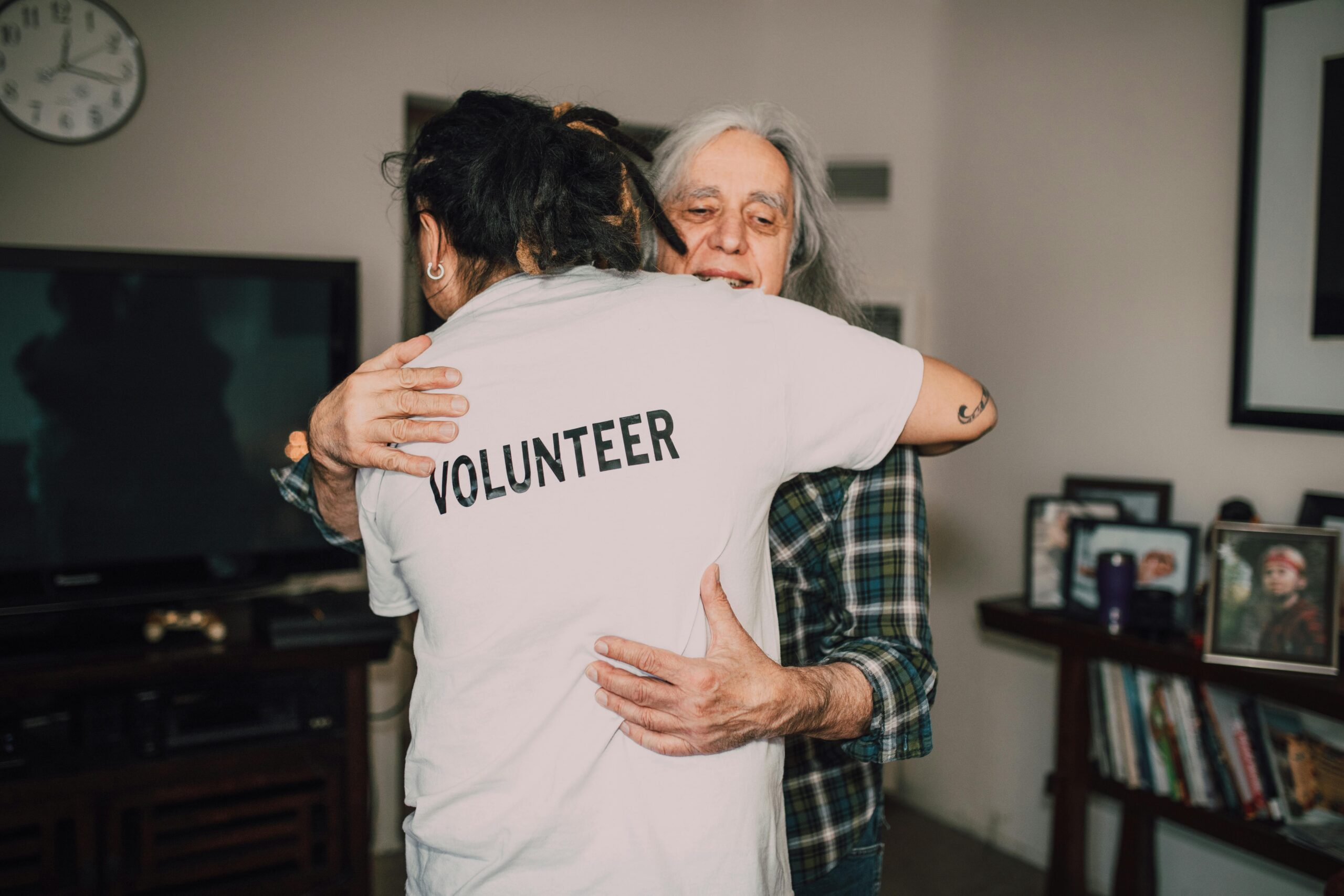
When you embrace your caregiver archetype fully—honoring both its gifts and limitations—you create transformation that extends far beyond individual relationships. People who receive archetype-informed care often report feeling truly seen and met in their needs, not according to generic protocols but through genuine human connection.
This authentic presence models healthy caregiving for others, creating ripple effects through families and communities. Children who witness archetype-aware caregiving develop more nuanced understanding of how to support others without losing themselves. Colleagues learn that effective caregiving encompasses diverse approaches, not a single correct method.
Organizations and systems gradually shift when enough individuals bring archetypal consciousness to their work. Healthcare becomes more holistic, honoring healing alongside curing. Social services balance protection with empowerment. Communities create support networks that accommodate different caregiving styles rather than imposing uniformity.
The power of caregiver archetypes lies not in categorizing yourself or others, but in deepening awareness of the patterns that shape how we connect, serve, and find meaning. By understanding your archetypal nature, working with its strengths, addressing its shadows, and developing flexibility across patterns, you transform caregiving from exhausting obligation into sustainable, meaningful work that nourishes everyone involved. This journey from unconscious patterns to intentional practice represents the evolution from simply caring to creating genuine, lasting impact through compassionate connection.